-
by
A delivery bag left on the kitchen counter can turn into a problem fast. Heat can flatten an edible, a curious pet can get into a package, and a visiting child does not need access to an adult-use product. Safe cannabis storage at home is less about building an elaborate setup and more about choosing one secure, consistent place for every product you bring in.
For adults 21 and over, a few smart storage habits protect your purchase, preserve product quality, and keep your home more private. The right approach also depends on what you use. Flower, gummies, cartridges, and concentrates do not all handle heat, air, and moisture the same way.
Start With a Secure, Cool Storage Spot
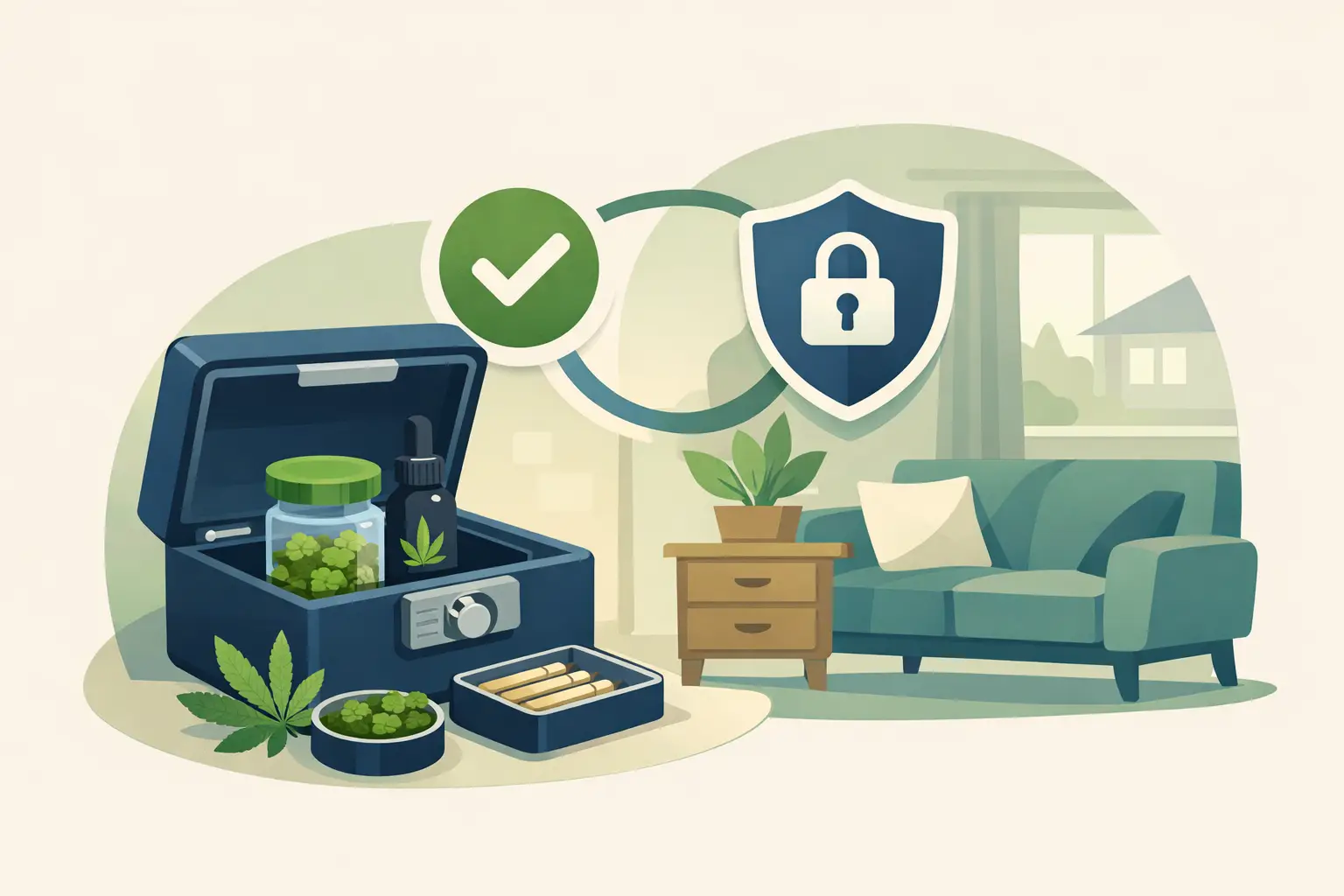
The best all-purpose cannabis storage area is locked, out of sight, and away from heat. Think of a locking cabinet, a lockbox in a closet, or a secured drawer located well above a child’s reach. A basic container that merely has a lid is not enough when children, teens, pets, roommates, or guests may be in the home.
Choose a spot that stays relatively cool and dry. Direct sunlight, garages, patios, vehicles, and windowsills are poor choices, especially during Inland Empire heat. A hot car can damage products quickly, while a humid bathroom can introduce moisture where you do not want it. Keep cannabis away from the stove, oven, space heaters, and appliances that run warm.
Original packaging is usually worth keeping. It carries product identification, potency details, warning labels, and instructions that can matter if an issue comes up. For edibles in particular, the package may tell you whether refrigeration is recommended after opening. If you transfer flower into a storage jar, save the label or write the strain, purchase date, and cannabinoid information on the container.
Safe Cannabis Storage at Home for Flower
Flower stays freshest when it is protected from excess air, light, heat, and moisture. A small airtight glass jar stored inside your locked cabinet is a reliable choice for most home setups. Dark or opaque glass offers added light protection, but a clear jar works if it stays in a dark drawer or box.
Avoid leaving flower in an open bag, loose in a grinder, or on a rolling tray overnight. Air exposure gradually dries it out and can dull aroma and flavor. At the same time, do not overcorrect by storing flower in the refrigerator or freezer. Temperature swings can create condensation, and moisture raises the risk of mold. Freezing may also make trichomes brittle and more likely to break away.
If you buy enough flower to last a while, divide it into smaller jars rather than opening one large container every day. This reduces repeated air exposure. Humidity-control packs can help in dry conditions, but use products designed for cannabis and follow the package directions. They are useful for maintaining balance, not for rescuing flower that already smells musty or shows visible mold.
Never consume flower that has an unusual mildew-like odor, fuzzy growth, or obvious discoloration that was not present when purchased. Secure storage preserves a quality product. It cannot make a compromised product safe.
Keep Edibles Separate From Regular Food
Edibles deserve the strictest storage routine because they can look like ordinary candy, baked goods, drinks, or snacks. Store them in their child-resistant packaging inside a locked container, separate from pantry food whenever possible. Do not put cannabis gummies in a cookie jar, a sandwich bag, or an unmarked refrigerator container.
That separation protects more than children. Adults can make mistakes too, especially when products resemble familiar treats or when several people share a kitchen. A clearly marked lockbox or a dedicated, secured shelf prevents accidental mix-ups.
Heat is also a quality issue. Chocolate can melt, gummies can stick together, and beverages can be affected by high temperatures. Follow the label first. Some products are shelf-stable in a cool cabinet, while others need refrigeration after opening. If refrigeration is required, place the product inside a locked food-storage container rather than leaving it loose in the fridge.
Keep the package closed between uses and pay attention to expiration or best-by dates. If an edible has changed dramatically in smell, texture, or appearance, do not assume it is fine just because it has been stored out of reach.
Protect Vapes, Concentrates, and Batteries
Vape cartridges and disposable pens are convenient, but they do not belong in a hot glove compartment or sunny room. Heat can thin the oil, encourage leaks, and reduce performance. Store cartridges upright when practical, with caps on if they came with caps, in a cool locked location. Keeping them upright is especially helpful for reducing leakage around the mouthpiece.
Concentrates should remain in their original containers and stay tightly sealed. Depending on the product and its label, a cool, dark cabinet may be enough. Some concentrates benefit from colder storage, but refrigeration can cause condensation if a container is opened before it reaches room temperature. When in doubt, follow the manufacturer’s product-specific directions rather than treating every concentrate the same.
For rechargeable vape devices, use the correct charging cable, keep devices away from water and extreme temperatures, and inspect them for cracks, swelling, or damage. Do not carry loose batteries with coins, keys, or other metal objects. A damaged battery is a safety concern even if the cannabis oil itself is stored properly.
Make Access Control Part of the Routine
A locked cabinet works only when it is actually locked. Build a simple arrival routine: bring the order inside, confirm the items, put everything in its storage spot, and secure it before moving on with your day. For customers receiving a discreet delivery after work or while managing a busy household, this takes less than a minute and prevents the common “I will put it away later” mistake.
Do not share the lock combination or key with anyone who should not have cannabis access. If you have older teens at home, clear boundaries are better than vague assumptions. The same goes for roommates. A private storage solution helps avoid confusion over ownership, dosage, and permission.
Pets require their own level of caution. Dogs are especially drawn to scented edibles, flavored products, and discarded packaging. Keep used wrappers, roaches, and empty containers in a covered trash can that pets cannot open. If a pet may have consumed cannabis, contact a veterinarian or pet poison resource right away and be honest about what was involved. Quick, accurate information helps them respond appropriately.
Do a Monthly Storage Check
Every month or so, take two minutes to look through your cannabis cabinet. Remove old packaging, check whether any edible has passed its date, make sure containers still close securely, and look for leaking carts or sticky residue. This is also a good time to confirm that labels are readable and that your storage location still fits your household routine.
Storage needs can change. A lockbox that worked in a one-bedroom apartment may not be enough after a move, a new roommate, or the arrival of a child. If your current setup relies on everyone remembering not to touch something, upgrade the setup. Physical security is more dependable than good intentions.
For Rancho Cucamonga-area customers, summer heat is another reason to make the check routine seasonal. If your storage spot becomes warm in the afternoon, move products before the next heat wave, not after an edible melts or a cartridge leaks.
A well-stored cannabis product is easier to identify, more likely to maintain its intended quality, and far less likely to end up in the wrong hands. Set up one locked, cool home base for your products, use the label as your guide, and make putting everything away the last step of every order.